
Gravitational Wave Paleontology Lab
The Gravitational-Wave Paleontology Lab uses astrophysical simulations and AI-driven data science to reconstruct the lives of massive stars across cosmic time from observations of gravitational waves of their black hole fossils.
Join the lab’s Community Research Projects
Open research projects from this lab that you can take part in alongside the researchers who own them: real projects, real outputs, real credit. Pick one that sparks your curiosity and get involved.
Help build the GROWL Catalog
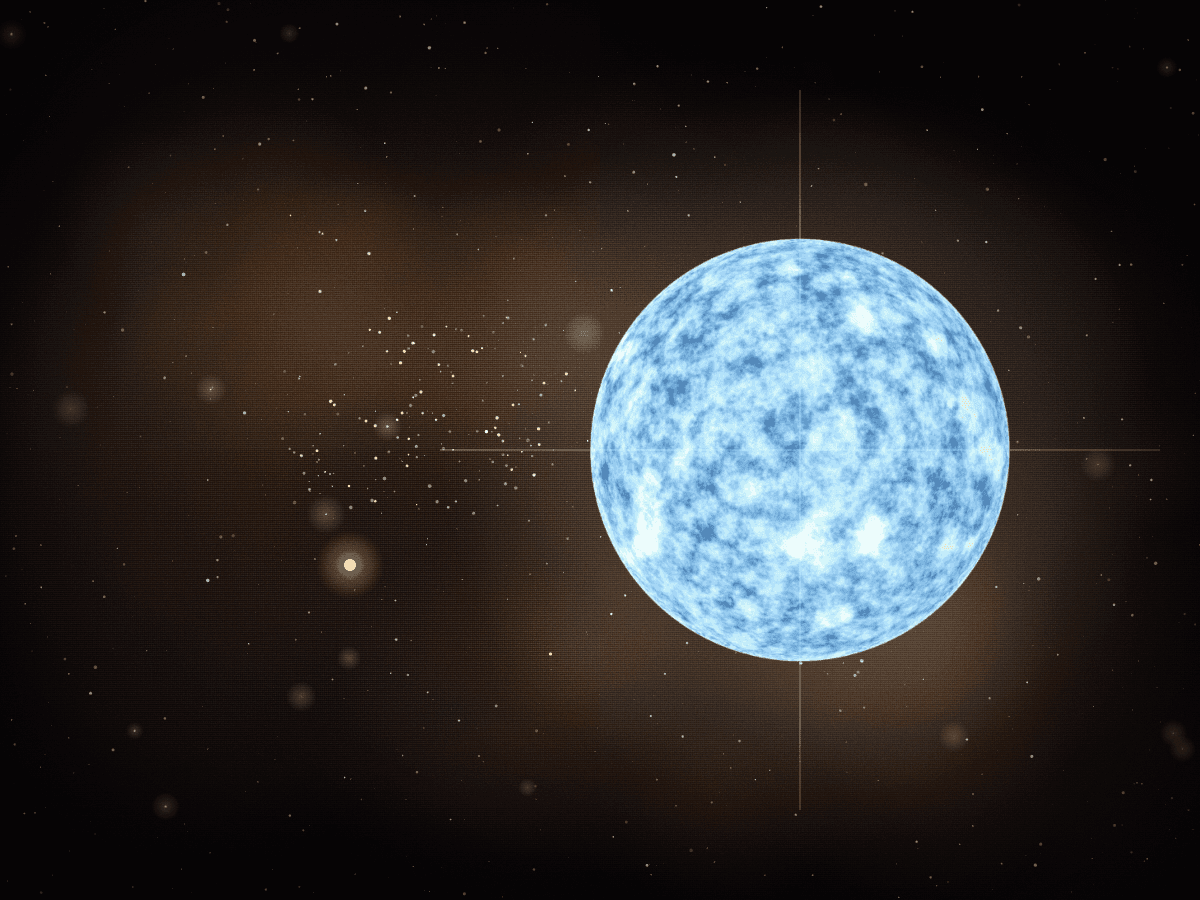
We are building the GROWL Catalog: the first large-scale, publicly accessible catalog of gravitational-wave population-synthesis simulations. This catalog will allow us — for the first time — to systematically compare observed gravitational-wave sources to theoretical models beyond individual “simulation silos.” Our goal is to answer one of the biggest open questions in astrophysics
Help map the high-dimensional universe of GW sources
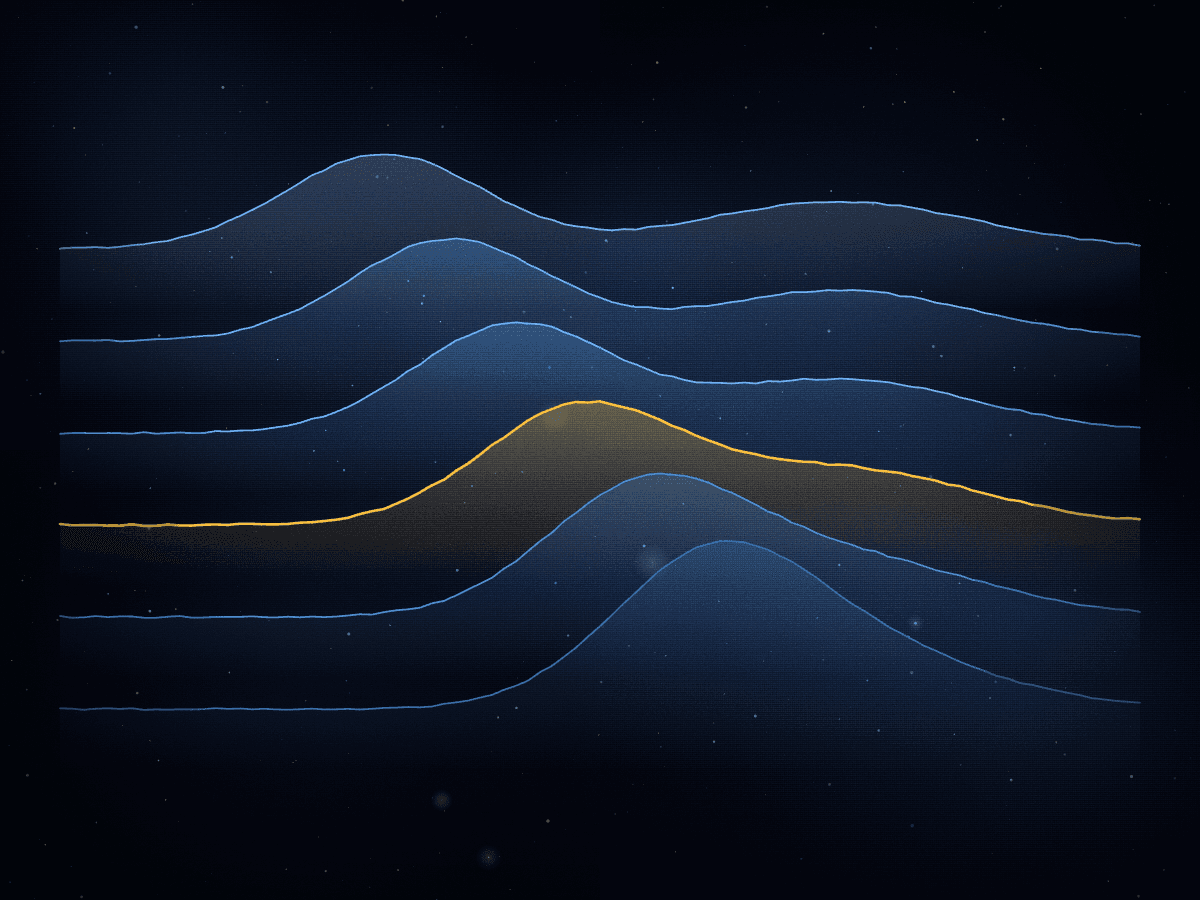
Modern GW astrophysics produces enormous, complex datasets. We need help transforming these data into intuitive and interactive visualizations
Help decode the assumptions behind GW simulations
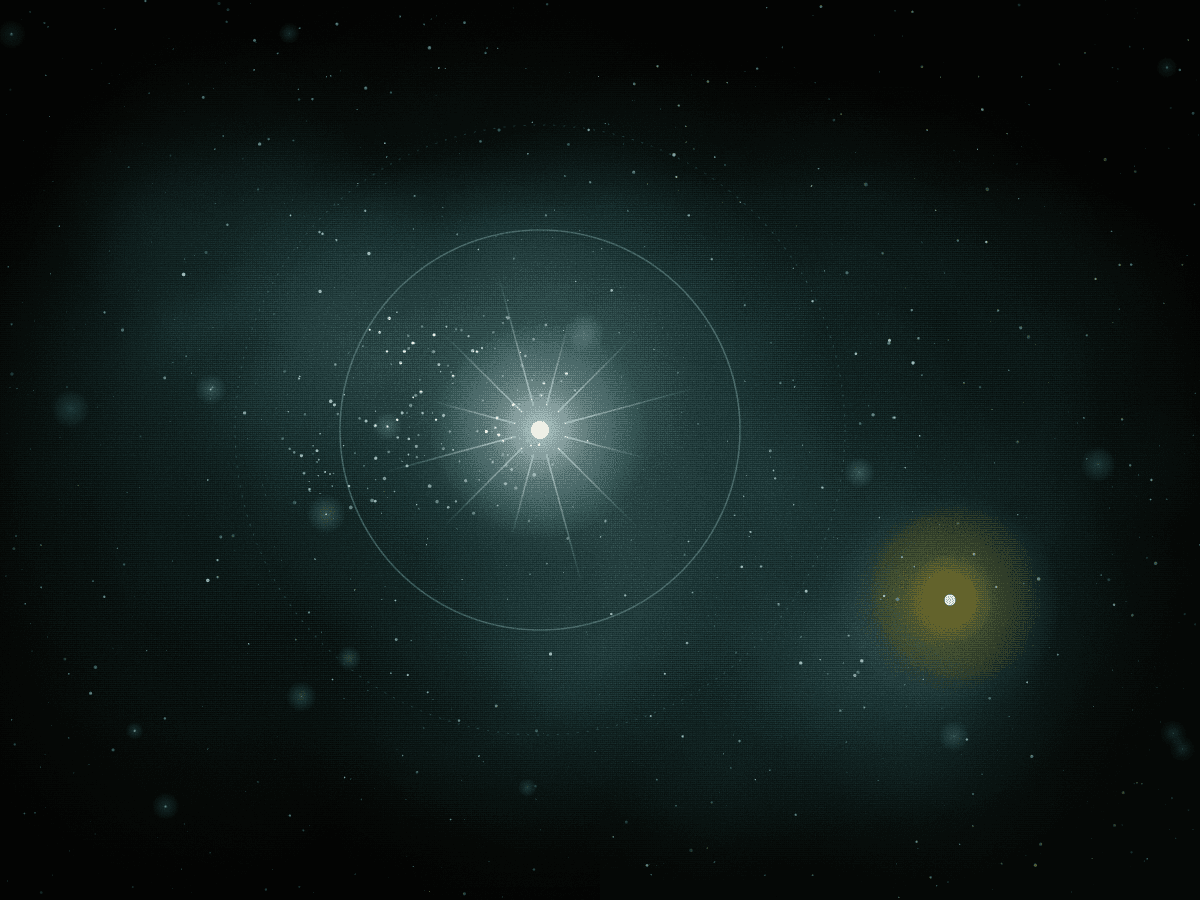
Different astrophysical simulations make different assumptions about how stars evolve, exchange mass, explode, and form compact objects. As a Grand Curator, your mission will be to help us map and organize these assumptions across the GROWL catalog. You will: investigate how different simulations are constructed compare physical assumptions across models help classify and organize formation scenarios work with researchers, literature, LLM tools, and expert knowledge help build structured metadata for the GROWL ecosystem This project combines astrophysics, literature synthesis, data organization, and AI-assisted scientific analysis.
Reconstruct the lives of individual cosmic fossils
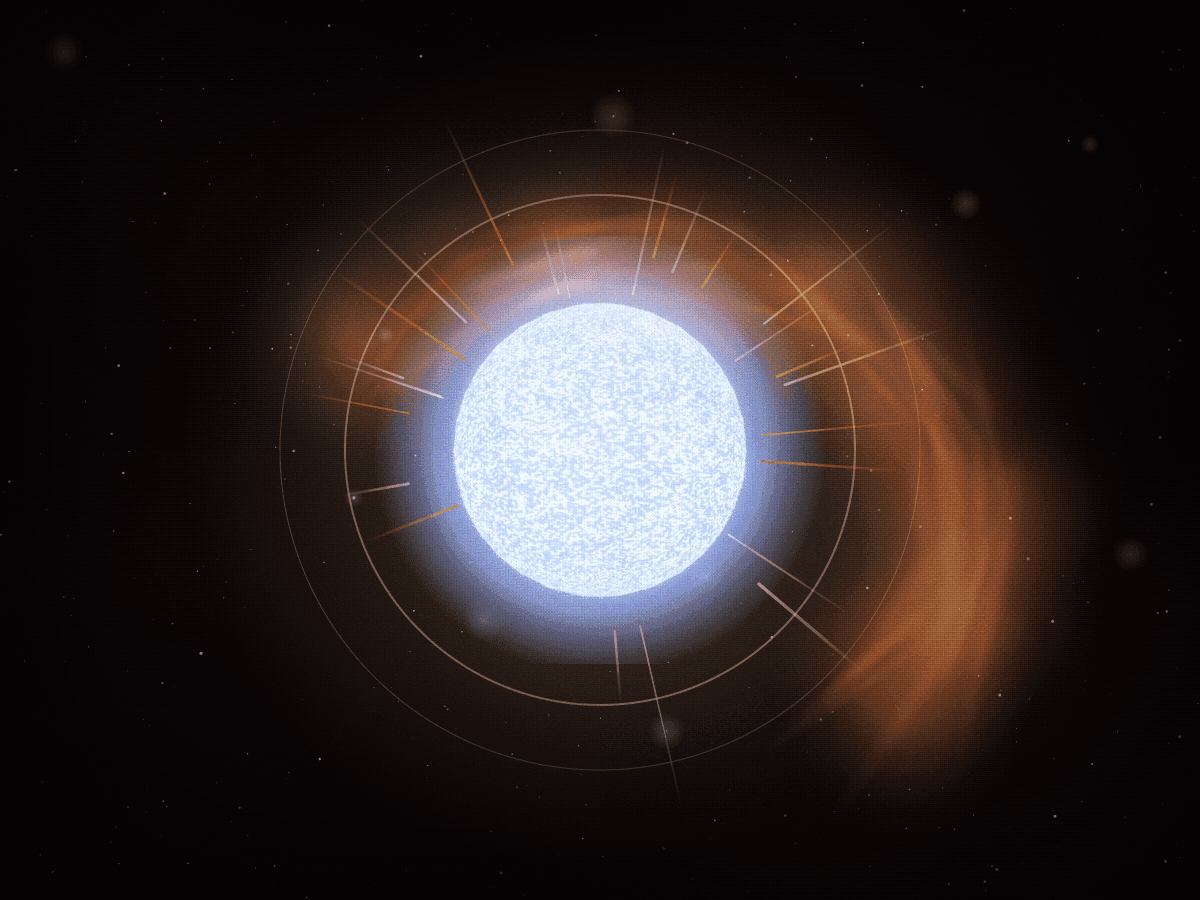
Every gravitational-wave event tells a story. As a Brave Bone Biographer, you will use our tools to investigate the detailed evolutionary history of individual BBH, BHNS, or BNS systems. You will explore questions such as: - Did the stars exchange mass? - Did they survive a common-envelope phase? - What masses were the stars born with? - What metallicity environment did they form in? - How did their orbital separation evolve? - How long did they take to merge? You will simulate and analyze individual compact-object binaries and reconstruct their evolutionary pathways from birth to collision.