
The Starshade Science Case
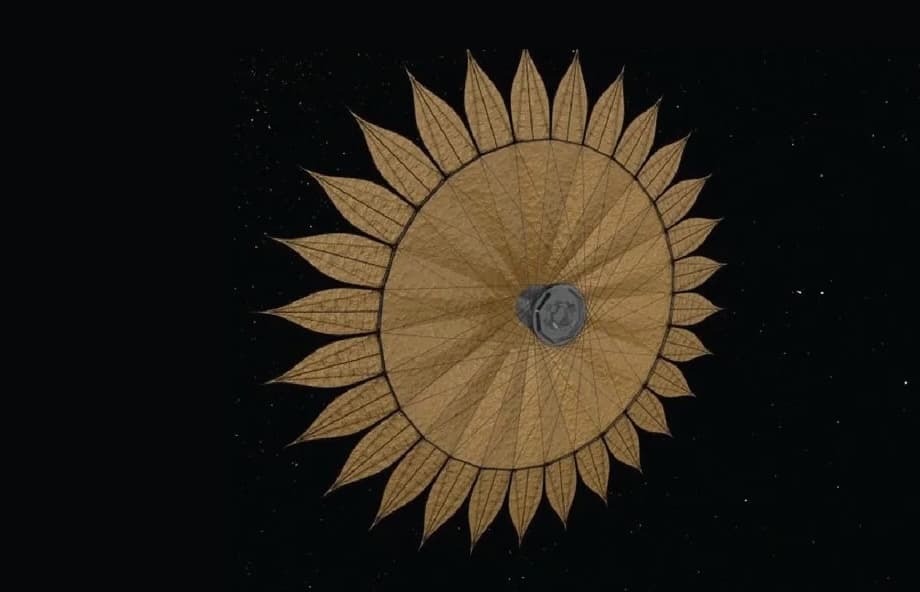
Help search for signs of life on an Earth twin! A starshade is a large, precisely shaped screen, or coronagraph, that flies in space tens of thousands of kilometers from a telescope, blocking the overwhelming light of a star to directly image faint planets orbiting nearby. In this community project, participants will explore newly conceived planet archetypes: different possible versions of an Earth-sized planet with different atmospheres, surfaces, and potential signs of life. Participants will learn how the Starshade mission could measure the reflected-light spectrum of each planet and investigate which atmospheric gases, surface features, or combinations of signals could reveal a habitable or inhabited world. Participants will also explore how to design the next generation of Starshades and their accompanying space telescopes to find and characterize Earth twins. The results will help us understand what an Earth twin might actually look like from many light-years away and how to design a starshade–telescope system capable of recognizing signs of life.
Led by

Skills & topics
Want to help with this work?
Join Project Starshade’s community research group and contribute to real scientific work alongside the researchers who care most about answering these questions.